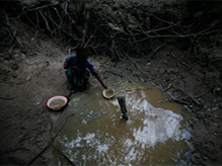
Safe drinking water, hygienic sanitation facilities and good hygiene practices are fundamental for health, livelihood, gender equality and development. However, for countless years, the world’s poorest people have not had these basic needs met. There are currently 880 million people that do not have access to safe drinking water and 2.6 billion without basic sanitation facilities. This is claiming the lives of over two million people every year and condemning millions more to a life of poor health and diminished opportunity.
It is women and girls who suffer the most from not having access to safe drinking water or basic sanitation as they are often burdened with the task of fetching water, maintaining household hygiene and caring for sick family members.
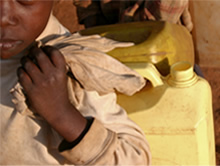
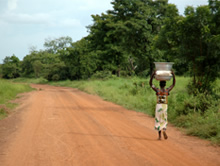
Securing the amount of water required for the families’ needs means that women and girls have to carry heavy loads of water for many hours a day. This means that girls can not attend school and women can not perform more productive endeavors, such as tending to crops or seeking employment. Furthermore, collecting water can mean that they have to walk alone through potentially dangerous areas with a risk of sexual abuse and assault.
The burden of having to dispose of human wastes exposes women and girls to diseases associated with contact with human excreta. Poor health, keeps girls out of the classroom and women out of work. Additionally, women and girls suffer more indignity as a result of inadequate sanitation. If poor health fails to keep girls out of the classroom, the poor standard of latrines in schools is likely to.
At Water Works we are committed to ensuring that there are safe water points and hygienic latrines within easy access of households and schools; so that communities do not suffer from ill health and that women and girls can take their rightful place in society.
Water Works is registered in England and Wales - Charity Commission – 1158206 – and in Malawi – NGO Board of Malawi – NGO/1/16/002